List of the Day: 10 Female Philosophers You Should Know
Existentialism, totalitarianism, the philosophy of risk, and moral ethics: this new compilation features the 10 most influential female philosophers from different eras, whose ideas have shaped the modern world.
A thought worth considering can come from anyone, regardless of gender, but that doesn’t prevent us from looking at this issue from a specific angle. The BigThink website recently published an article listing outstanding female philosophers from various eras—from antiquity to the present day. Some of them may be familiar to us, while others we may be reading about for the first time…
Simone de Beauvoir (1908–1986)
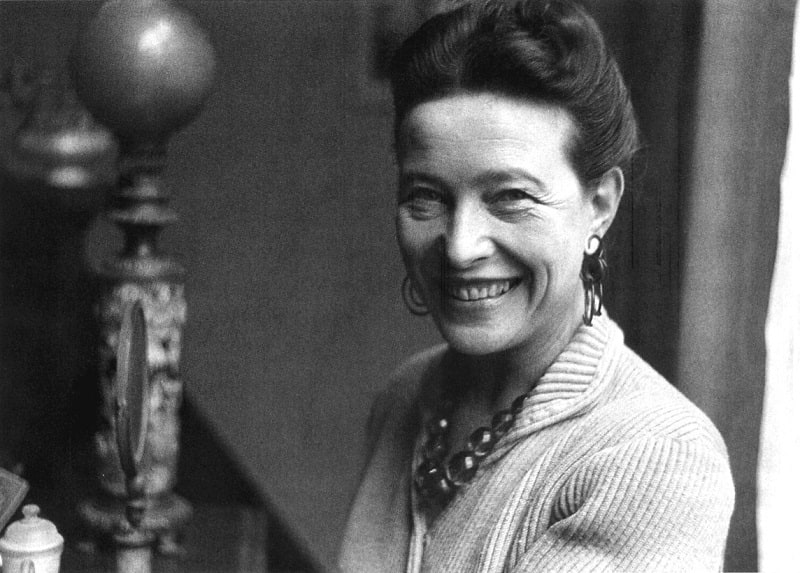
A leading figure in French existentialism and a founder of second-wave feminism. Few philosophers can compare to de Beauvoir, though she never thought of herself as unique in this field. She wrote dozens of books, including The Second Sex and The Ethics of Ambiguity. Beauvoir’s writing style is clear and accessible; she focuses on the pragmatic aspects of existentialism, in contrast to her partner in an open marriage—Jean-Paul Sartre—who devoted more attention to theory. Simone de Beauvoir took an active stance in French politics; she was a social critic, participated in protest demonstrations, and was a member of the French Resistance.
“The curse that lies upon marriage is that people too often unite in their weakness rather than in their strength. Instead of giving love, we merely feel a need for another.”
Hypatia of Alexandria (born c. 350–370, died 415)
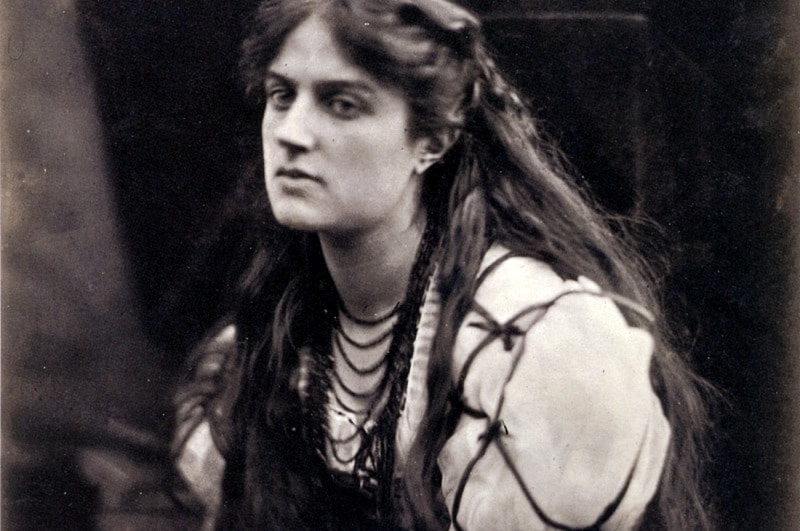
Actress portraying Hypatia of Alexandria, 19th century / Photo: Julia Margaret Cameron
A Greek female scholar, considered by many of her contemporaries to be the greatest philosopher of her era. Her fame was immense, and prospective students traveled great distances to hear her lectures. And although to this day there is no certainty regarding the extent of her written works—a common problem with ancient authors—it is at least clear that she authored several works in collaboration with her father. In Alexandria, she taught the philosophy of Plato and Aristotle and was a follower of Plotinus’s Neoplatonism; she also taught mathematics and worked on calculating astronomical tables. She was an active participant in Alexandria’s city politics and wielded influence over the city’s leaders. There are several theories regarding her death: she may have been killed by a Christian mob during major riots in the city; however, there is also a theory that she may have fallen victim to the city authorities, who accused her of sorcery and bewitching the prefect.
“In Alexandria there was a woman named Hypatia, the daughter of the philosopher Theon, who attained such heights in literature and science that she far surpassed all the philosophers of her time.”
Socrates Scholasticus, Church History
Hannah Arendt (1906–1975)
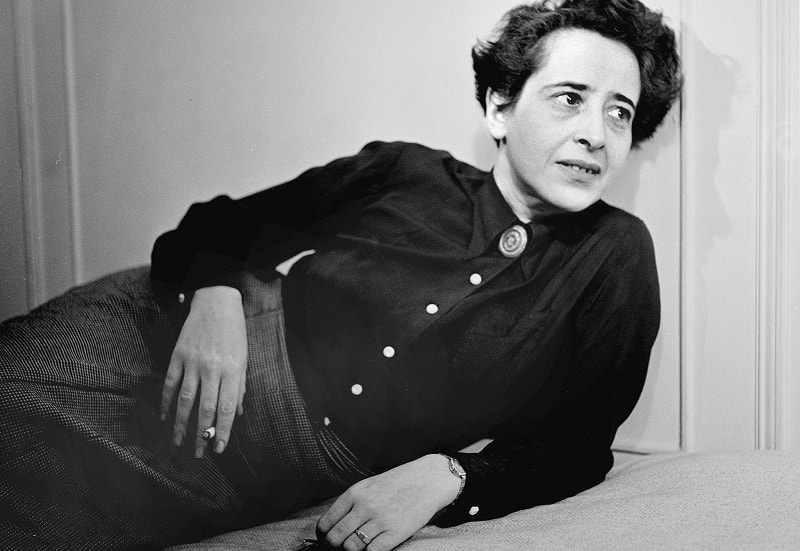
Hannah Arendt, 1943 / Photo: © Fred Stein
Another great female philosopher who did not consider herself as such. A German woman of Jewish descent, she fled to New York from Vichy France. She wrote extensively on totalitarianism, and in her magnum opus, The Origins of Totalitarianism, she analyzed and explained how such regimes come to power. Similarly, her book Eichmann in Jerusalem examines how, under certain conditions, even the most ordinary of people can exhibit totalitarian thinking. Hannah Arendt also wrote on other political topics, sought to make sense of controversial issues surrounding the American and French Revolutions, and offered a critique of the idea of human rights.
“Under tyranny, it is much easier to act than to think.”
Philippa Foot (1920–2010)
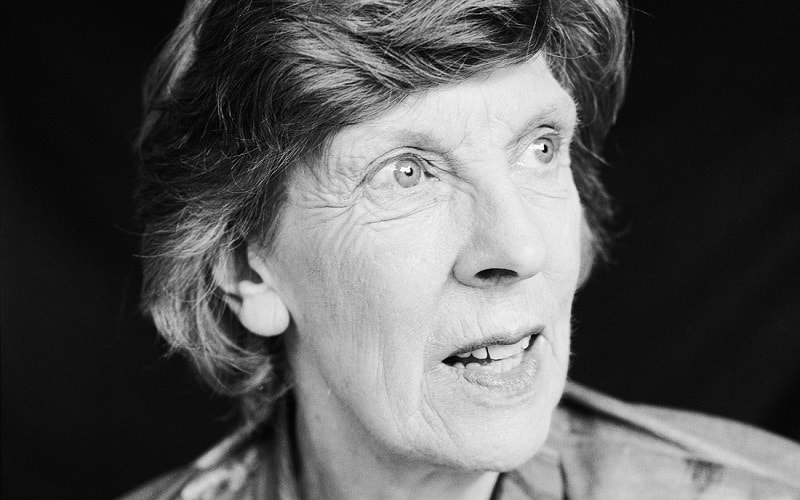
Philippa Foot in Oxford (1990) / Photo: © Steve Pike / Getty Images
This Englishwoman primarily researched questions of ethics. The “trolley problem” she described gained the most fame and attention. Philippa Foot is often credited with reviving Aristotelian thought. She taught at Oxford and the University of California and collaborated with many philosophers of her time throughout her life; her work has had a profound influence on the worldview of many living scholars today. Her collection of essays, Virtues and Vices, has taken on special significance in light of the recent resurgence of interest in virtue ethics.
“You ask a philosopher a question, and after he or she has spoken for a while, you no longer understand your own question.”
Elizabeth Anscombe (1919–2001)
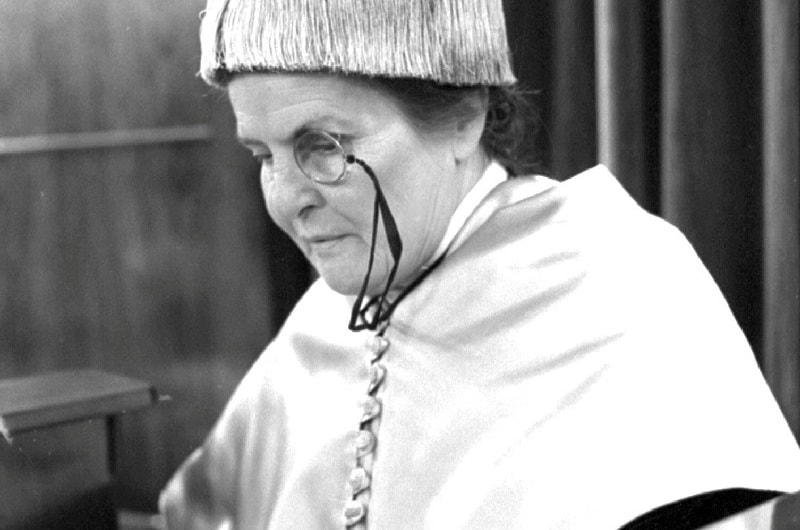
An English philosopher who worked at Oxford. She explored a wide range of topics, including logic, ethics, metaethics, the mind, and language, and was interested in the phenomena of war crimes. Her most extensive and significant work is Intentionality. It is a series of articles demonstrating that what we intend to do has a major impact on our moral foundations. Her groundbreaking work Contemporary Philosophy of Morals had a significant influence on modern research into ethical problems; it was in this work that she first used the term “consequentialism.” Elizabeth Anscombe engaged in debates with many prominent thinkers, including Philippa Foot, and spearheaded protests against the policies of the 33rd U.S. President, Harry Truman, and against abortions at local clinics.
“Those who try to treat sex as a simple and casual pleasure pay a high price: they become superficial.”
Mary Wollstonecraft (1759–1797)
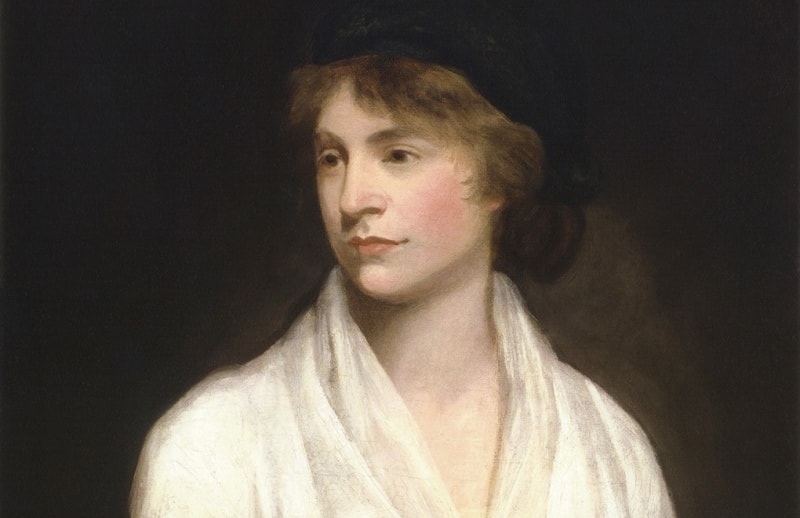
Portrait of Mary Wollstonecraft by John Opie (1797)
Also an Englishwoman, philosopher, and popular writer. She is the author of A Vindication of the Rights of Man, published in response to Edmund Burke’s Reflections on the Revolution in France. She also wrote A Vindication of the Rights of Women as a response to those who opposed women’s education. In a sense, she became the first feminist philosopher. In addition, she wrote several novels, travel guides, and a children’s book. Mary Wollstonecraft died from complications during childbirth at the age of 38. Her daughter went on to become a famous writer—Mary Shelley, author of Frankenstein.
“Virtue can flourish only among equals.”
Anne Dufourmantelle (1964–2017)
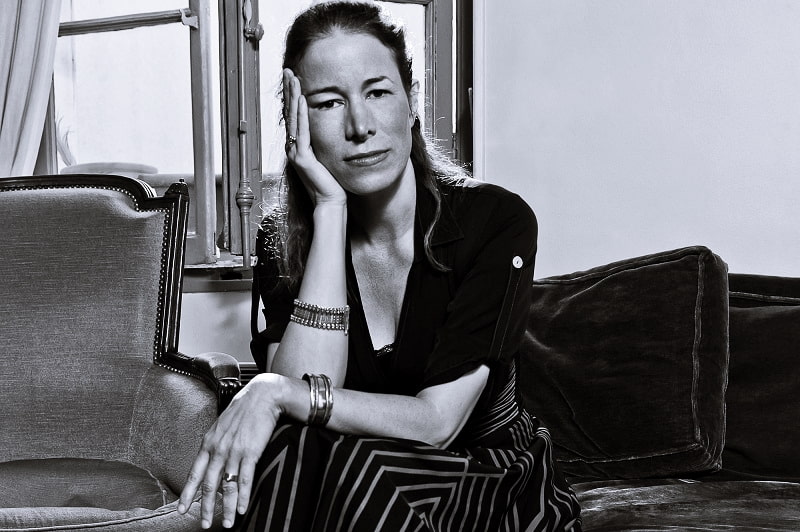
Anne Dufourmantelle, 2011 / JLPPA / Bestimage
A French philosopher and psychoanalyst, she became known as a scholar of the philosophy of risk. In particular, she proposed the idea that in order to truly experience life, we must be prepared to take risks—often significant ones—and that risk is inevitable, since risk-free strategies do not exist in principle. In 2011, her book In Defense of Risk was published. She was also interested in the concept of security, which is opposed to risk and which, in her view, creates a void in our existence. Anne Dufourmantelle was the author of 30 books and gave numerous fascinating lectures. Her death was symbolic: she died in 2017 just as she had lived—taking risks and saving lives. Anne Dufourmantelle died on July 21, 2017, on Pampelonne Beach near Saint-Tropez while trying to save two children who were being swept out to sea by the current.
“When we come face to face with danger, only then can we feel a truly powerful impulse to surpass ourselves.”
“To be alive is to take a risk. Life is a metamorphosis, and it begins with that risk.”
Harriet Taylor Mill (1807–1858)
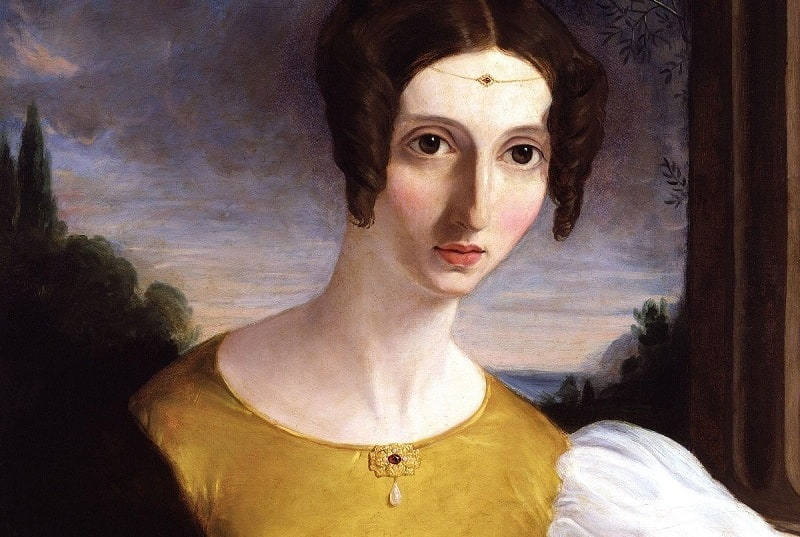
© National Portrait Gallery
An English feminist and philosopher. After the death of her first husband, John Taylor, she married the economist and philosopher Stuart Mill, who had a strong influence on her work. Only a few of her works were published during her lifetime, and her essay “The Emancipation of Women” served as a precursor to Mill’s later work, “On the Subjection of Women,” in which he addresses the same issues as his wife. John Stuart Mill’s masterpiece, “On Liberty,” is dedicated to Harriet and, moreover, was partly written by her.
“All my published works were created with the participation of both my wife and myself, and over the years her contribution has become increasingly significant.”
John Stuart Mill
Kathryn Gines (born 1978)
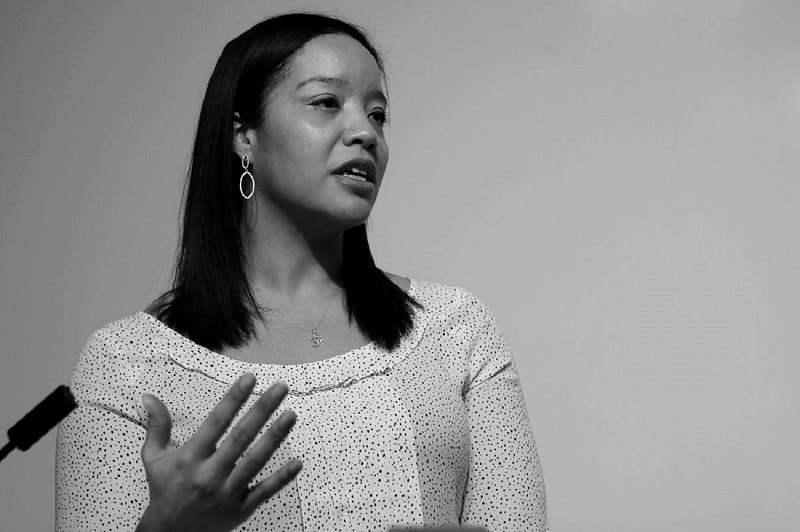
© Wikimedia Commons
An American philosopher working at Pennsylvania State University. Gines has a deep interest in topics related to Africa, Black feminism, and its phenomenology. She is the founder of the “Black Women Philosophers” collective, whose mission is to raise the profile of this field among Black women and to create a supportive space for the development of philosophical thought within this community. She has engaged in scholarly debate with Hannah Arendt and Simone de Beauvoir. In a book on Hannah Arendt’s philosophy, she noted Arendt’s failure to acknowledge that the “Negro question” was a “white problem” and that racism at that time was a political rather than a social phenomenon.
“By using the word ‘woman’ without specifying what kind of woman—Black, Jewish, colonized, or working-class—Beauvoir thereby conceals the very whiteness of the woman she most often describes as something else.”
Carol Gilligan (born 1936)

An American philosopher and founder of the care ethics school. Gilligan’s well-known work, In a Different Voice: A Psychological Theory and the Development of Women, was called “the little book that started a revolution.” She questions the value of universal moral standards, such as justice or duty, viewing them as impersonal and distant from our contemporary problems. Instead, she suggests that we consider relationships and our interdependence from the perspective of moral action.
“I’ve found that if I say what I really think and feel, people are more likely to say what they really think and feel. The conversation becomes a real conversation.”
Source: 10 Women of Philosophy, and Why You Should Know Them / Big Think.
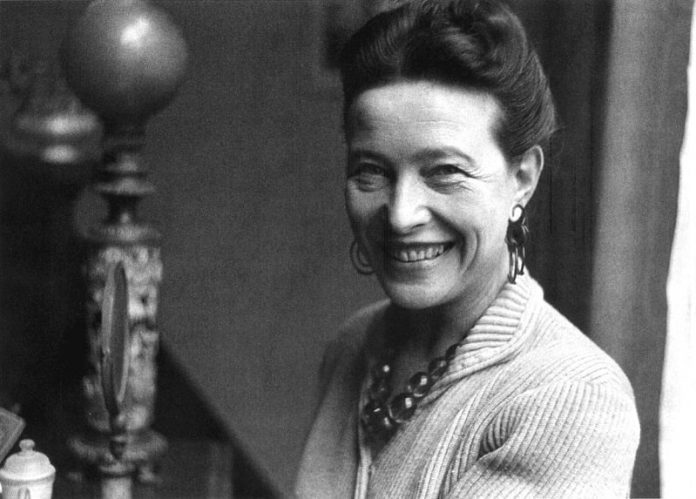
On the cover: Simone de Beauvoir.
Published in “Monocle” on December 27, 2017