The Acting Angel
This article examines the concept of the “replacement child” and the guilt associated with the conception and upbringing of such children. It presents clinical cases and biographical information about well-known individuals who were replacement children. Particular attention is paid to the importance of “grieving” for the deceased child and accepting the newborn child.
Replacement Child
We define a replacement child as one who was conceived by parents to “replace” a deceased child. Their psychological development has been the subject of numerous studies over the past forty years. These studies cite the life stories of children, adolescents, and adults, as well as the biographies of famous individuals, as examples. Never before in the literature on psychopathology have attempts been made to link a person’s mental disorders to the context in which their conception took place. In numerous works devoted to the replacement child, however, special attention is paid to the circumstances of conception, and the terms “conception” and “conceived child” are used with increasing frequency. The concept of the “replacement child” makes it possible to examine the issue of conception from the perspective of psychopathology. By exploring this concept, we will be able to see the connection between conception and grief. We will identify the source of psychopathological problems that arise from the moment of a child’s conception.
In 1964, in a paper titled “On the Replacement Child,” Albert and Barbara Cain [1] compiled observations of six children aged 7 to 12 who had various psychological problems. All of these children were conceived by parents while they were grieving the loss of a child who had died in preadolescence under tragic circumstances: a malignant tumor, a car accident, or a sudden choking episode. In five cases, the decision to conceive a new child was a conscious one: the parents were trying to find new meaning in life, to take their minds off their grief, or simply wanted to have a child to replace the one who had died. One of the couples initially wanted to adopt a child of the same age who physically resembled the deceased. The authors describe a family atmosphere permeated by a sense of grief for many years after the birth of the next child. The mothers suffer from depression or exhibit neurotic symptoms (phobias, obsessions). The deceased child, the object of their devotion, is idealized by them beyond all measure. They visit the cemetery every week, or even every day. The parents cannot talk about anything other than their loss. They constantly compare the next child to the one who is gone, identifying the living child with the idealized deceased one. They live in fear that death will happen again, overprotect the child, and scrutinize every minor incident in detail—for example, carefully examining the child to ensure there are no injuries. Such overprotection is oppressive not only for the child but also for the parents themselves, constantly reminding them that the world is full of dangers. According to the authors, two of the mothers harbored the belief that the new child was responsible for the death of the previous one.
The psychological problems experienced by these six children manifested themselves in numerous fears, passivity and a lack of initiative, dependence and immaturity, and social withdrawal within the family. All of them considered themselves defenseless and incapable. They all felt that the world in which they lived was constantly and unpredictably dangerous. Sometimes the children exhibited the same symptoms of disorders that had led to the death of the previous child. These children displayed an unhealthy interest in everything related to death. Their sense of identity was disrupted due to the forced identification with the deceased child. They compared themselves to the deceased; some of them were convinced that they would not live past the age at which their brother or sister had died. The deceased child became an invincible rival for them, in whose shadow they were forced to live.
In 1972, O. Poznanski[2] published the first detailed description of a child whom he termed a “replacement child.” Suzie, aged 15, had been deliberately conceived by her parents to compensate for the loss suffered by the family. Two months earlier, their daughter Betty had died in a car accident. Her twin sister, Barbie, survived but was left disabled and was placed in a specialized facility. The other family members—her brother and parents—were unharmed. After Suzy’s birth, her mother suffered two miscarriages. Family lore has it that on the eve of the accident, Betty announced that she would die, but that there was no need to worry because God would give the family another girl. Suzy’s childhood was spent in an atmosphere of grief and idealization of her deceased sister. Add to this her father’s fears, as he saw danger in everything. Every anniversary of the accident was marked by a veritable ritual dedicated to Betty. Her father would fall into a trance and call Suzy by the name of his deceased daughter. On that day, Suzy was not allowed to leave the house. Her academic performance was average. As a teenager, she had to see a psychiatrist when behavioral problems arose: depression with suicide attempts, fear of death and agony, and a relationship with a young man who had tried to kill her. The author believes that such symptoms are directly linked to the child’s status as a replacement child. He draws pediatricians’ attention to the connection between psychological problems and the family context in which conception occurred, and recommends a sufficiently long period of mourning before a new pregnancy.
Replacement Children Conceived “Prematurely”
In 1974, following Poznanski, Nicole Albi [3] introduced the concept of the replacement child in France. Working as a psychologist in a pediatric hematology unit, she observed that some mothers become pregnant at the very moment when their older child, who has leukemia, is experiencing a relapse or is facing a life-threatening situation. Of 8 pregnancies, 5 coincided exactly with the onset of a relapse. According to medical staff recollections, there were about 15 such pregnancies in total. Certain reflections and comparisons suggest that these pregnancies can be regarded as “replacement” pregnancies. One father said: “We’ll have another little girl to replace the angel who went to heaven.” A nurse, indignant, remarked, “Poor little one—he’s already been replaced!” One mother awaited the results of her pregnancy test with greater anxiety than she felt upon receiving confirmation of her sick child’s relapse. Nicole Albi describes three cases.
Case No. 1
K., five months pregnant at the time her three-year-old son was diagnosed with “acute leukemia.” She is afraid of giving birth to “a child with leukemia or an abnormal child.” After giving birth to a healthy baby, she returns home to care for her older son, who is in remission. After two years of remission, the child experiences a flare-up of meningitis. The mother is depressed; caring for the child is difficult. K. is pregnant again; conception occurred immediately after the meningitis flare-up. She requests an abortion “for psychological reasons.” There are no medical indications for an abortion. Examination at six months of pregnancy: She is anxious, afraid of giving birth to a sick child; she accepts the pregnancy but at the same time considers it a betrayal of her sick child. She is afraid of becoming attached to the newborn. She speaks of the baby in passing: “Poor little thing… It’s sad, but I don’t care. There’s someone else to take care of him; it’ll be better for him.” The sick child is frail and in need of care. A new exacerbation occurs before delivery. K. is irritable, refuses hospitalization, blames everyone, and eventually agrees to be admitted to another hospital. She gives birth to a healthy son and resumes caring for her dying child.
Case No. 2
N., two children. A two-year-old girl with acute leukemia. A period of remission is followed by a relapse. For two months, N. cares for her child. She is in her second month of pregnancy but feels as if she were much further along. The sick child is “unbearable” and restless. The mother makes no preparations for the newborn’s arrival. She gives birth to a son. As she delivers him, the midwife says, “She wanted a daughter. I’m afraid the boy will be unhappy.” Her daughter’s leukemia relapses.
Case No. 3
S. was pregnant when her daughter was diagnosed with acute leukemia. After giving birth, she did not use contraception. Five months later, she sought medical advice regarding a mass in her abdomen. The doctor diagnosed her as pregnant. She requested an abortion, which was denied. She gave birth to a healthy baby girl. She underwent tubal ligation. However, after another flare-up of her daughter’s leukemia, S. returned to the doctor, believing she was pregnant again.
“Apparently, for some mothers facing the loss of a child, a new child can be a source of comfort,” explains Nicole Albi. Furthermore, a new pregnancy helps the mother take her mind off her sick child. After all, the child is still alive and needs attention and care. As soon as a mother learns of her pregnancy, she begins to view her sick child as “unbearable.” A mother’s anger toward this child is an expression of the deepest narcissistic trauma she experiences while awaiting the sick child’s death, having devoted all her strength to the child. Thus, pregnancy is defensive in nature: it is a form of archaic defense against the anxiety that threatens the mother and threatens to destroy her. Pregnancy seems to be driven by external forces. The worsening of the illness dashes any hope of recovery; and it is essential that something—anything—happen. And thoughts of substitution come only later as a rationalization. “Pregnancy is the only means of defense that mothers find to fill the anxious void. To immediately cope with the impending loss, a new object is needed, whose primary function is to protect the mother from destruction.”
N. Albi draws attention to the characteristics of such a pregnancy: an ambivalent attitude toward it and a sense of guilt. Sometimes the mother behaves aggressively toward the sick child. Furthermore, she lacks fantasies about the child in utero, who is perceived solely as a substitute for the dying child. The mother struggles to contain her anxiety. She is already afraid for the newborn—for example, that the baby will be born sick. The author points out that in her accounts, the mother confuses the sick child with the one who is yet to be born. After giving birth, she very quickly leaves the infant to care for the sick child. This indicates a disruption in the emotional bond with the newborn, possibly linked to the circumstances of conception.
However, these cases should not be subject to unjustified generalization. Twenty years later, N. Albi [4] revisited this issue and demonstrated the need for caution in drawing conclusions and making predictions. She described the case of H., who had two children—a son and a daughter. She learned of her new pregnancy while accompanying her sick son to a transplant. Everyone immediately thought of a “replacement child.” The fact was that X. herself had lost her only brother when she was 17 years old. Anticipating that her son might die, she feared that her daughter would also be left alone, and so she decided to become pregnant again: “I don’t want my daughter to grow up as an only child, and I told my husband that I wanted to get pregnant now, because if P. dies, I’ll never be able to become a mother again.” In this case, the pregnancy did not replace the grieving process, but it subsequently helped bring it to a close. This woman wanted to become a mother again before becoming a grieving mother. The pregnancy progressed favorably. The woman cared for the child in utero, stopping work and getting more rest. She spoke of the child as a person with his own identity. The ailing older brother is still alive.
Psychopathological Observations and Clinical Descriptions of Replacement Children
In 1979, A. Kuve [5] presented a description of four children conceived during the grieving process for a child who had died in infancy or been lost as a result of a miscarriage. We will focus on two of them. According to the author, from the moment of conception, the replacement child is under the influence of the parents’ mindset: “You are dead!” And in order to exist independently, the child must be able to destroy the dead one. Frederick is autistic. He was conceived immediately after a miscarriage in the third month of pregnancy. This situation may seem ordinary. However, it should be noted that the previous pregnancy had healed the mother from her painful grief over her father’s death: the child she had imagined had strengthened her maternal self. The loss of the child marked a return to square one for her. The next child began to identify with the previous one, who had protected the mother from depression. In the mother’s imagination—which proved incapable of distinguishing one child from another—the substitute child is doomed to live as if dead, as long as he plays the role of the mother’s protector against depression. Each of his timid attempts to break free threatens the mother, who once again sinks into depression and dreams of death.
A. Kuve counseled Louise after her second suicide attempt. The first had been four years earlier. Her daughters and son are now 13 and 10, respectively. Louise was born a year after the death of her sister, who had lived for only three days. Louise’s problems began when she gave birth to her eldest daughter: melancholy, phobias, fears, and an irresistible attraction to death. About a year after that birth, Louise lost a female fetus in her sixth month of pregnancy. A year later, she gave birth to a boy, thus repeating her own story. But Louise always felt as if she were doomed to die. Her suicide attempts were a prelude to the inevitable. Suddenly, during her fourth session, Louise attempted to separate herself from the image of her deceased sister. She saw a connection between her obsessive attraction to death and the fact that, as a child, she had lived as if she were that very same deceased sister. “If my sister hadn’t existed, Mom would have loved me more […] She would have loved only me […] I would have been freer […] Mom talked about her a lot, and I felt that I wanted to be like her […] I couldn’t do that; she scared me.”
In 1982, Michael Hanus[6] published an article in the French Psychoanalytic Journal titled “The Substitute Object. The Substitute Child.” Before discussing the substitute child, the author draws attention to the substitute object. A substitute object is chosen primarily to replace a lost object; it shields one from the loss and relieves the need to mourn. The choice of this object is driven by the activation of defense mechanisms. In this way, a person protects themselves from intense emotional distress during the grieving process; however, unresolved grief eventually—sometimes many years later—resurfaces, finding a way around. The choice of a substitute object serves two functions, explains M. Hanus: “to signal an understanding that the object has been lost in external reality; to declare that grief and mourning are unnecessary, since the lost object has already been replaced.” Sometimes an object may be chosen years after the loss, and we can only understand whether this choice was hasty if we know whether the work of grief has been completed or not.
This situation is not unique to the substitute child. In the event of a loss, a substitute object may be chosen. Sometimes this object may be suggested by someone else. For example, a child who evokes sympathy may be designated as a substitute object to ease the pain of the loss: for instance, a family may try to transfer the deceased’s roles to another close relative, preferably of the same gender. When an adult mourns a loss, their friends temporarily take on the roles of the departed. At the same time, there are specific circumstances that contribute to the choice of a substitute object. This can be illustrated by a case from our practice. A man lost his wife and daughter in a car accident. His daughter had a child whom she was raising on her own. The grandfather moved in with his other daughter to raise his grandson. He could not talk to his grandson about the death of his loved ones, but he found joy in spending time with the child. His grandson became a substitute object for him, supporting him in his grief.
According to M. Hanus, the premature choice of a substitute object represents a specific form of denial, rejection, and suppression of feelings and the grieving process. At the same time, the author emphasizes: “It seems that for some people, this type of choice is dictated primarily by the need to avoid an unbearable unconscious sense of guilt by suppressing it.”[7] [7] .
It is impossible to shake off the feeling that the substitute object is illusory. How can one replace the irreplaceable—the object that has vanished! The substitute object cannot fulfill its purpose. On top of everything else, there is another, more serious contradiction: the substitute object will share the fate of the object it replaces; “it is an object lost in advance, in which one can see an obsessive desire for the loss to be repeated.” The subject tries to force it to exist and at the same time accepts the loss.
In a sense, every child is a substitute object for the parents. Naturally, the child is that narcissistic embodiment through which parents attempt to expand their boundaries and postpone the end of life, their own disappearance, and death. To establish itself as a subject, the child must “kill” the magical child living in the parents’ souls—the infant mirabilis, which resurrects the parents’ narcissism from the ashes—a child endowed with every virtue and destined to fill any void. For the child’s psychological birth and the recognition of their uniqueness, a gradual renunciation of this narcissistic attachment is necessary. Parents must find another path, moving from narcissism to objectivity in order to allow their child to exist.
When parents lose a child, their narcissistic wound is as painful as the extent to which the child sustains their damaged narcissism. The younger the child, the more intense the pain. But the death of a child also has other consequences. It evokes in parents “a shameful and unbearable feeling that there is something dangerous, sinister, and deadly within themselves […] To ‘replace’ the child—that is, to conceive a replacement child—to stop the flood of unbearable questions, and to try to prove that it is possible to have a good child, and that the loss of the first was nothing more than an accident. At the same time, they can rid themselves of the guilt stemming from hostile feelings directed against the child, and intensified by a deep resentment that the child caused the parents grief through his illness or accident, and through his death.”
We must now consider the psychopathological problems entailed by the status of the replacement child. In the parents’ unconscious, the replacement child becomes identified with the deceased child. This identification with the idealized departed child becomes a source of comparison and competition that cannot be won, and ultimately leads to a dangerous situation: in order to “bring the deceased back to life” by recreating all of his or her qualities, the replacement child assumes the deceased’s role. He or she disappears, dissolving into this role. “It is as if he feels that he will become pleasing to his parents when he nears death; deep down, he feels that they wish for him to die.”
The substitute child lives by identifying with the deceased. He must share with his parents the mourning they are unable to bring to a close. “He will live for a long time haunted by a phantom; he will suffer from sadness, grief, and depression until he connects his suffering to his own history and sets out on the path to liberation.” M. Hanus tells the story of Henri, who came for counseling because he was unhappy, could not achieve the success he desired in painting, and was tormented by phobic attacks. It was as if something were holding him back, preventing him from getting closer to his goal. The closer he got to perfection, the more depressed he felt. He suffered from headaches but didn’t feel sorry for himself. The headaches would start as soon as he spoke about the death of his older brother, which had occurred 10 years before his own birth. According to the family history, his brother had died after falling off a stool. In reality, his brother had suffered from a brain tumor. As Henri rid himself of associations with his deceased brother, his phobic episodes began to disappear.
In 1985, Andrea Sabbadini [8] described in detail two cases of “substitute children,” Jill and Michelle. According to the author, the replacement child syndrome illustrates the condition of “not being oneself.” Sabbadini defines a replacement child as “a child who was conceived with the conscious intention of one or both parents to replace a child who had died shortly before.” The author notes the difficulties with self-identification inherent in replacement children, which manifest primarily during the separation-individuation stage, as well as during adolescence.
Case No. 4
Jill underwent a course of psychoanalytic therapy at the age of 30. Low self-esteem. A sense of failure, especially in her relationships with men. According to her, she was born nine months after the death of her nine-month-old sister. In her mind—and perhaps in reality—her conception coincided with the death of her sister Angela from a respiratory illness during the war. “If Angela hadn’t died, Jill wouldn’t have been born—that is, her life depended on her sister’s death. Based on this fact, her subconscious had to take just one step to conclude that she had to kill her sister in order to be born,” the author explains.
Sabbadini cites numerous facts that allow us to view Jill’s story as that of a substitute child. For instance, some time before her first menstruation and for a long time afterward, Jill was afraid of dying. The author believes that this fear is linked to the death of her sister, who died at the age of 9 months—that is, just as she was becoming more autonomous: adolescence represents a similar process and thus carries the threat of death for Jill. The fear of silence has a similar explanation: for Jill, silence is associated with her grieving mother’s silence and with her deceased sister, whose voice needs to be replaced. And finally, Jill’s complex relationship with her mother. Jill was convinced that her mother spoke to her as if she did not exist, or as if she were someone else: this feeling points to a splitting that undermines her sense of identity.
The patient’s transference onto the therapist and the therapist’s countertransference reaction also provide valuable insight. On one occasion, Jill felt that the analyst seemed sad and, in her view, not friendly enough—as if he were thinking of someone else, just as her mother had done many years ago. When the time came to end therapy, Jill considered this event just as premature as Angela’s death and her own conception. In her view, the end of analysis meant that the therapist wanted to get rid of her because she had made some kind of mistake. In his countertransference, Sabbadini prematurely agrees to take on a new patient.
The author presents us with another case, which we reproduce in its entirety.
Case No. 5
“Two years after the start of therapy, my patient Michelle revealed to me that her older brother Michael had died just as he was beginning to walk on his own. He was her parents’ only son. Her parents tried to replace him with another son, but a girl was born; two years later, they made another attempt, and again a girl was born. They didn’t want any more children, and as a compromise, they named their youngest daughter Michelle. Michelle came to therapy with a sense of confused identity (“I’m neither Michelle nor Michael”), schizoid personality traits, latent homosexuality, eating disorders, and serious problems accepting her female body. Wherever she went, including my office, she felt unwelcome. “Sometimes,” she told me, “I reek of death, as if Michael’s little body were glued to me or crammed inside me.” During the session, she recalled how, as a child, she had gone with her family to Michael’s grave; her mother was crying, her father was trying to comfort her, and she and her sister said they wanted a little brother. After telling me this, Michelle burst into hopeless sobs, and then confided that she had never before had the chance to mourn her brother. Another time, Michelle came to the session dressed entirely in black, which was quite unusual. “I’ve come to the conclusion,” she said, “that when I was born, my parents, instead of rejoicing, went into mourning. … I constantly feel like I have a dead fetus inside me. I want to get rid of it, but I can’t.” I told her that the dead fetus inside her was preventing her from feeling alive. She began to cry quietly. She said that her birth had been a sad event because she was born the wrong gender. “If I had died instead of Michael, it would have been so wonderful!” she cried. She recalled how her parents had admired the neighbor’s child, who was also named Michael. I said that perhaps her brother was so wonderful and sweet precisely because he had died. “Tell that to my parents,” she replied, with bitterness and contempt. I said, “I’m telling you this.” After a pause, she continued, “I know it’s my fault. If only I knew how to fix it… But it can’t be fixed… At least not as long as I’m alive. There’s no other way out.” (Personally, I think this task seems impossible precisely because it isn’t her fault.)
Michelle’s personality structure is similar to Jill’s in many ways. It centers around a weak ego and a lack of self-esteem. In Michelle’s case, as with Jill’s, the rivalry between living and deceased siblings and the confusion that arises from this rivalry play an important role in their development and in the formation of their relationships with others.
Speaking of choosing a name for a replacement child, Sabbadini mentions a case described by Soleimani (1979). The parents named their child Pierre, who was conceived after the death of their older son, Peter. The mother was convinced that Pierre was Peter’s reincarnation and would ask him, “You’re Peter, aren’t you?” Pierre’s conception occurred by chance, shortly after Peter appeared to his mother in a dream and said, “Don’t cry, Mom, everything’s fine; you’ll have another boy soon.”
The psychopathological observations published by M. Hanus and later by A. Sabbadini occupy an important place among all studies on this topic. They marked the beginning of the publication of many clinical cases. For example, H. Urban[9] presented the case of Anna, a 9-year-old girl whose mother brought her in for a consultation because her daughter would only sleep in her mother’s bed. In addition, the child demanded constant reassurances from her mother that she loved her.
Case No. 6
Consultation regarding separation difficulties that manifest at bedtime and escalate into serious conflicts. The child is lonely and has no friends at school. During the examination, she is restless, timid, and fearful; she behaves like a miniature adult and speaks in “adult” phrases. Multiple tics. Family history includes the death of Anna’s (1) first child, conceived a few weeks after the death of Mr. A’s mother. Four years later, a son was born. Ms. A’s mother died a few days after giving birth. Two years later, a daughter, Anna (2), was born. During the first three years of her life, she was hospitalized three times (for eating disorders and delayed speech development). At three and a half years old, she underwent surgery for strabismus (five weeks in the hospital). Between the ages of 5 and 8, she received counseling for behavioral problems and learning difficulties. The drawings, created a year before the start of the treatment described by H. Urban, depict a hostile environment. Anna draws a prison, prisoners, and the torture of criminals. Some drawings evoke associations with her deceased older sister. Anna also brings a photo album that she put together herself. The first page is blank: Anna has not yet chosen a photo. “On the page intended for ID photos, we see a photo from last year, a portrait drawn this year, and a drawing with crosses where the next photo was supposed to be.” Treatment lasted about three and a half years. After 15 months of therapy, Anna’s tics went away. Two years later, she began recounting her dreams and gradually distanced herself from the fictional character she had invented, who shared her initials. She imagined what it would be like to have an older sister: vacations together… conversations… She was able, little by little, to distance herself from her therapist, whom she subsequently began addressing formally. She no longer liked the idea of sleeping with her mother, and she no longer felt the need to constantly ask her friends how they saw her.
H. Urban notes that Anna fought tenaciously for her individuation in order to free herself from identifying with the deceased child. “The process of separation was complicated by the mother’s confused imagination. For her, separation was tantamount to death, which she was trying to avoid.” During the first consultation, Anna did not attempt to separate from her mother, and the mother, in turn, was not yet ready to separate from her deceased older daughter. Ms. A. remained bound to an imaginary object that restricted her living daughter’s life space. The father was unable to take his place, perhaps because he had secretly buried the deceased child. During psychotherapy, Anna used all her creative abilities to counter her mother’s imagination with the power of her own imagination.
Here is a case described by H. Brunetier [10] in his article “The Trap of Birth: The Substitute Child.”
Case No. 7
Nicolas, age 7, was referred for consultation by his school due to learning difficulties in kindergarten. His mother describes him as withdrawn, sad, and lonely. “He says he’s not a good boy… Once I found him on the bank of a pond; he was crying and repeating that he wasn’t good.” Description of the family tragedy (the death of Julien, age 4): while being bottle-fed, the boy fell into a bucket and drowned; he died after two long months of suffering in the hospital. The mother’s depression. Regular visits to the cemetery. A oneiric or hallucinatory episode in the mother: she saw a boy on Julien’s grave who looked very much like him. Sexual relations within the family resumed after “therapeutic intervention”: the attending physician advised replacing Julien. “He came into this world because it was necessary to forget. He came by force; he was an unwanted child. One day I told my husband: we have to do this. It wasn’t just any day; on that day, it was as if someone had taken a rope to hang themselves.” She continues: “Sexual intercourse was torture; the pregnancy was nine months of torment.” While she was speaking, Nicolas was drawing in the corner. The drawing showed a house and a blue spot in front of it. A pond. The mother was able to talk about depression and suicide in her husband’s family: her mother-in-law drowned herself in the pond, as did her mother and aunt. The mother believes that Nicolas “took after his father’s side of the family,” and then she asks a terrible question: “Have you seen children this age who would want to kill themselves?”
H. Brunetière believes that a replacement child is a “deceptive” child, conceived at the site of death, like an illusion. Conception occurs under the sign of a refusal to accept the loss and death of the previous child, as well as a refusal to accept the suffering that accompanies it. Thus, Nicolas took the place of his deceased brother in his parents’ perception. “It was as if I wanted to bring him back to life; I had him for that reason. When Nicolas was born, I called him Julien—that’s his middle name,” says the mother. And in a single sentence, she explains the meaning behind the new conception: “After Nicolas was born, it was as if that incident had never happened.”
Brunetier draws attention to the presence of an acute sense of guilt. First and foremost, this is the parents’ guilt: it is linked to the circumstances of the incident, to the resumption of their sexual relationship, and to the anger provoked by the deceased child, who wounded the parents’ narcissism. But there is also the substitute child’s own guilt: fratricidal guilt—for having been born as a result of another’s death—and guilt that throbs like a sharp pain—never being able to be good enough for the parents. Meanwhile, therapy helps the child’s mother gradually change her way of thinking. Reintroducing the story of the deceased child into her thought processes creates psychological space for the replacement child.
In conclusion, we present a case described by Joyce McDougall [11]. She recounts the psychoanalytic treatment of Mia, who was born a year after her stillborn brother. After several sessions, she had a dream in which the dead child appeared twice. The analyst then asked about her parents’ attitude toward her birth. Mia stated emphatically that her parents had never shown any disappointment or other emotions regarding this matter. “Then I had a disturbing dream in which the child was killed, and I was blamed for it.” During that session, Mia said, ‘This time I need to find out the circumstances of this child’s death and what that death means in my life.’ She decided to ask Christiane, her older sister, if she remembered her birth. The answer came immediately: ‘Do I remember? How could I ever forget? I’ve wanted to talk to you about this for a long time, but I didn’t dare. Mom and Dad were convinced that a boy would be born, and on the day you were born, Dad called me over and said, ‘I have some sad news for you: it’s a girl!’ Then he burst into tears.” Various previously unconscious patterns gradually fell into place: first and foremost, the guilt of being born a girl and failing to fulfill her parents’ wishes; a strong desire to separate from her mother; and the struggle to defend her feminine identity. Mia came to the point of reinventing herself, drawing on her creative spirit, which helped her blossom.”
Biographies of famous people who were foster children
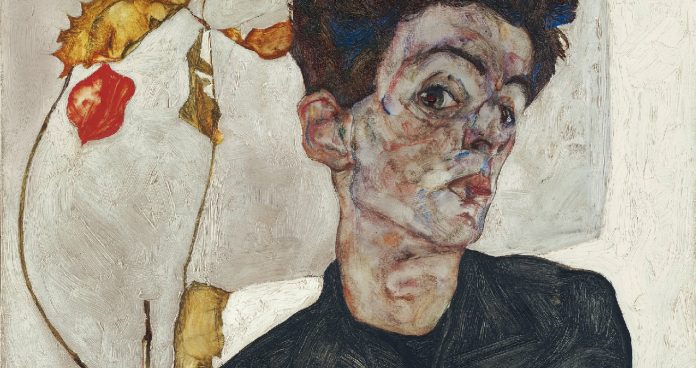
Alongside clinical studies, various authors have explored the psychological profiles of famous individuals who were foster children. Nagera (Humberto Nagera: Vincent van Gogh, A Psychological Study. London, Allen & Unwin, 1967) in his work on Van Gogh describes how the death of his older brother haunted him throughout his life. Vincent Wilhelm van Gogh was born on March 30, 1853, exactly one year to the day after the birth of his first stillborn child, who bore the same name. It is therefore not surprising that van Gogh constantly struggled to establish his own identity in both his life and his art.
“The stillborn brother could not become a real person, and that is precisely why his parents’ imagination created an ideal persona. He was a remarkable child who embodied all virtues, talents, and kindness. He would surely have done everything very well, and where the living Vincent failed, the dead one would have been destined for success. This excessive idealization of the stillborn child […] explains both the inflated level of the ideal self he set for himself and his fear of failure, […] as well as his fear of success […]. He could only fail in his quest to achieve this vastly inflated ideal self.”
“Another important aspect of these conflicts is the unconscious dread of competing with the dead, ideal Vincent. Unconsciously, the artist must have felt that his success was a crime against the memory of the deceased, an attempt to take his place in his parents’ hearts. Such illusions are highly contradictory, […] because the siblings of a deceased child feel, to some extent, responsible for his or her death […] Moreover, it may have been precisely due to these circumstances that Vincent came to terms with death, in which he succeeded. In order for those around him to acknowledge the fact that he was no worse than his brother—and perhaps even better—he had to die, just like his brother.” (Quoted from Sabbadini[12]).
Not only was he a replacement child, but his parents’ personalities also played a role, as M. Benezek emphasizes: “a rigid but weak and depressed father, a compulsive, hot-tempered, hypersensitive but insensitive mother” [13]. Vincent considered his mother indifferent. She did not understand him; she was always on the side of others, not on his. When he thought of her, he was overcome with sadness. He felt that she rejected him and considered him a liar. His relationships with other women were always unbearably difficult, as he persistently craved a great deal of maternal love. He chose either unapproachable women or poor, unloved girls who, like himself, had been rejected and deprived of love in childhood. “It is likely that Vincent himself was marked by this dead life, in which he considered himself, at best, his brother’s substitute, and at worst, his murderer. Either way, he always saw himself as an impostor,” emphasizes Vivian Forrester.[14] In such situations, Van Gogh found salvation in his art: “Either lock me straight into a madhouse […], or let me work with all my might […] I struggle with all my might, trying to overcome any difficulties, because I know: work is the best lightning rod for my illness.” [15] And yet, Van Gogh took his own life shortly after the birth of another Vincent, the son of his brother Theo.
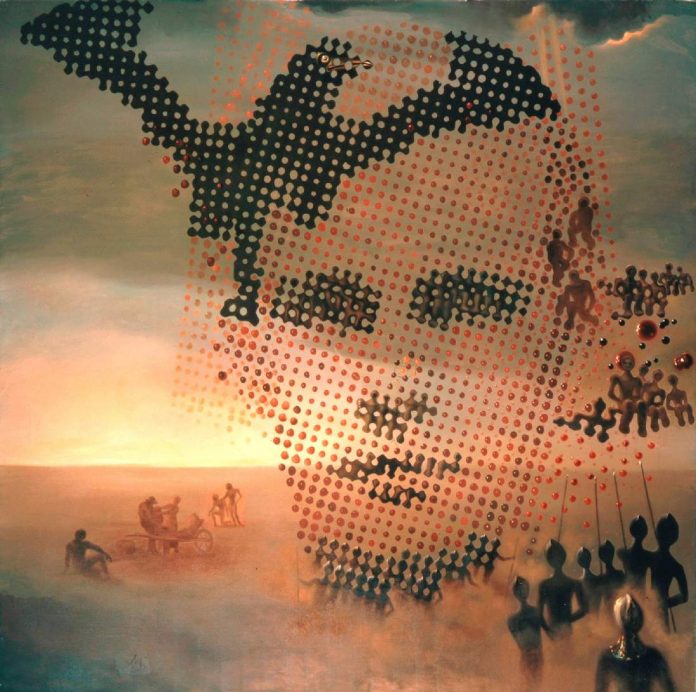
The story of Salvador Dalí is no less telling. Here is how the artist describes his arrival in the world: “I experienced my own death before I lived my life. My seven-year-old brother died of meningitis three years before I was born. This shook my mother to the very depths of her soul. My brother’s early development, genius, charm, and beauty were her solace. His death was a terrible shock to her, one she barely survived. My parents only managed to cope with their despair after my birth, but grief continued to overwhelm them. Even while still in my mother’s womb, I felt their anguish, and my fetus floated in a hellish placenta. Their grief never let me go. I deeply experienced this imposed presence [of my brother], both as a shock—akin to a complete absence of feeling—and at the same time as a state of doom.” Quoted from Sabbadini [16].
C. Shamula, in an article on Salvador Dalí [17], cites the following facts: “Dalí’s parents did indeed have an older son, Salvador, who died at the age of 21 months and 20 days—exactly 9 months and 11 days before the birth of Salvador II, the future artist. A tragic conception!” [18]
In this article, Shamula wonders how this tragic event could have influenced the future artist’s destiny. The author finds the answer in the figure of the mother of the two Salvadors and Salvador’s wife, since the father shared the same name as his sons. The mother endured the agonizing and horrific death of her eldest son—Salvador I—and immediately became pregnant with Salvador II. This pregnancy blocked the grieving process, which was apparently complicated by an unconscious sense of guilt—which is not surprising, given the circumstances of this child’s conception. Shamula believes that the impact of trauma can be felt from the very beginning—that is, even during pregnancy. The death of Salvador I, against a backdrop of complete well-being, seemed to have torn a hole in the mother’s body. The author compares this state to phantom pain in an amputated limb.
But Shamula does not stop there; he analyzes Dalí’s paintings, specifically the relationship between the explicit and hidden content of the works, much as one analyzes the relationship between the explicit and hidden content of dreams. The hidden content is determined by the primary traumatic core. According to the author, the mother’s trauma and its impact on the young Dalí are present in every one of his paintings, in every brushstroke. There is an obsessive-compulsive repetition of the primary trauma with its pathogenic and pathological effects. The origins of Dalí’s life drama shine through in the content of each painting. “Dali’s mother’s traumatized libido, coupled with unfulfilled love and unresolved grief, was passed on to her son, Salvador II. He, in turn, experienced this as a deadly and cruel love, creating an unbearable psychological situation for him, where pleasure, suffering, and pain coexisted from the very beginning. This pulsating arousal arose in little Salvador from a very early age, when his emerging self was incapable of either channeling or developing adequate libidinal energy. It traumatized the small, fragile personality and became internalized in the form described by J. Lacan—as an internal, painful foreign body.
The artist’s talent lay in “connecting this alien, irrational, and haunting body with the rational and critical part of his psychological life, in order to tame—or rather, kill—it, and, importantly, from the very beginning.” In other words, throughout his childhood, Dalí waged war against the child hidden within his mother—that guard dog which, pretending to be asleep or dead, lived inside her. Moreover, this body penetrated him through his mother, forcing him to defend himself and attack at the same time. This is the source of all the drama in his life—that ceaseless internal and external struggle aimed at overcoming the tormenting impulses that give rise to perversions, hysterical anxiety, and astonishing creativity—three strands closely associated with him and almost inseparable from one another.”[19]
Dalí developed a mechanism by which one can bring to light what is repressed within. This method, called “paranoid-critical,” took its final form in 1929 during a serious mental crisis that deeply shook the artist. This critical year of 1929 was marked by a breakdown in family ties, particularly with his father. Dalí introduced a new surrealist aesthetic that made him famous throughout the world. He also met Gala, who became for him “a great driving force and healed the ‘dislocations’ in his consciousness.” According to C. Shamul, Gala provided maternal support to the artist. “I love Gala more than my mother, more than my father, more than Picasso, and even more than money,” Dalí asserted. This idealization of the maternal figure in the image of Gala shows that the maternal figure haunted Dalí throughout his life. Moreover, here too, his deceased brother once again takes precedence: the name “Gala” is the feminine form of the middle name of his deceased brother Salvador, Salvador Galo. Gala came to be known as Gala Salvador.
If Dalí had lived in a chronic hypomanic state, he might have avoided madness. In his own words, his eccentricity allowed him to separate himself from his deceased brother: “Thanks to this constant game, the goal of which is to erase the memory of my brother through my antics, I brought to life the myth of Castor and Pollux: one brother died, and the other is immortal.”[20] His art immortalized him, and Dalí refused to have children: “Embryos terrify me; the intrauterine state fills me with melancholy. Like all geniuses, I can only give birth to a cretin.”[21]
Maurice Poro[22] compiled a large number of biographies of famous people who were replacement children. For example, Ludwig van Beethoven was born shortly after the death of his older brother, who had died at four days old and bore the same name. Beethoven became the eldest of the surviving children and stubbornly defended this status; perhaps for him it was a way to rid himself of his deceased predecessor. The following example illustrates the extent to which his older brother’s death influenced the musician’s life: Beethoven was always convinced that he was born in December 1772, not December 1770. Many friends showed him copies of the birth certificate, but he demanded the “correct” document. He insisted: “Please note one fact: I had a brother born before me, whose first name was Ludwig and middle name was Maria, but he died. This is essential to know in order to determine my true age […] We had a family register, but it was lost—God knows how. Do not disregard this; I beg you, please try to find Ludwig-Maria and the real Ludwig, who was born after him.” Upon receiving the birth certificate dated December 17, 1770, Beethoven wrote on the back: “1772. I believe the certificate is incorrect, for there was another Ludwig before me.”[23] According to M. Porro, this irresistible desire to dispute the date of his birth—in order to push it back—stems from the need to increase the distance between himself and the deceased child.
Chateaubriand, Camille Claudel, Rainer Maria Rilke, Hermann Hesse, and others were born after a brother or sister who had died in infancy. The one closest to us is Didier Anzieu, a well-known psychoanalyst, who was born a little over two years after a stillborn girl who was not recorded in the family register and was never given a name. He writes: “My arrival in the world was preceded by the arrival of a little sister. […] To me, she has always remained a little girl, since she died during childbirth. You have every right to call me an only son, since I never knew her and grew up as an only child. But in my perception, that was not the case. With my sister’s death, my parents suffered their first defeat, and she remained in their thoughts and words for a long time. I was the second child, and they had to take extra care of me so that I wouldn’t suffer the same fate as her. I felt their fear that the tragedy might repeat itself. I was obligated to survive at any cost to justify those who had given me life. In their eyes, I was always on the brink of death. The slightest upset stomach or even a gentle breeze threatened me. How difficult it was for me! I was replacing the one who had died. I wasn’t given enough breathing room. This is not a paradox, but a situation that is more than ambiguous.” [24]
Didier Anzieu’s mother, Marguerite (II) Anzieu, was also a replacement child. Of the three sisters born before her, one—Marguerite (I)—was burned alive. “On a holiday, as they were getting ready for Mass, Marguerite, the youngest of the three sisters, was dressed in an organdy dress. She was left for a moment under the supervision of her older sister, who later became my godmother. The little girl was lightly dressed; she grew cold, so she went over to the fire… and was burned alive. It was a terrible shock for her parents and sisters. My mother was conceived immediately afterward to make up for the loss. Another girl was born, and they named her the same thing—Margarita. In a way, neither alive nor dead […] After that, my mother spent her whole life looking for ways to avoid the fires of hell […] This is called bearing a cross, a heavy cross. My mother spoke to me about this only once. But I knew this story as a family legend. Her depression stemmed, I think, from this unbearable role. After the birth of her stillborn daughter, she experienced a terrible repetition of fate. And when I was born, the threat loomed over her once again.”[25] Marguerite Anzieu was described by Lacan in 1932 as the “Emme case.” She was admitted to a psychiatric hospital after she stabbed a famous actress. This murder took place eight years after Didier’s birth.
The testimony of film director René Féré is equally telling. Here is his family history. His paternal grandparents had two sons in succession named René, both of whom died at an early age. Following these two deaths, two girls were born. The younger of the two had a son named René, the author’s father. The director’s parents had three children: René (I), Bernard, and René (II)—the film director whose story we are studying. The eldest son died in a car accident at the age of 4. This is how the screenplay for the film The Baptism (1989) came about: “As a child, I was haunted by a still image: a black-and-white photograph of a four-year-old boy whom my mother said I resembled and whose name I bore. My brother died in an accident in 1939, a few years before I was born.”
Maurice Poro quotes an excerpt from a text by René Féré, written when he was 33 (1978), during a period of intense identity crisis [26]: “I was born a nobody,” the author explains. Here is a short poem by the director that describes his state of mind:
On that day, I was reborn,
not born.
Don’t ask why,
My mother, giving birth to me,
Was thinking of something else,
and was overjoyed when she saw me,
and recognized him.
My childhood
Drove me crazy.
When she named me,
My mother had something else in mind.
About the one who came before me
About the one who left so soon,
She loved him more than me
And was able to bring him back to life by giving birth to me.
My cry bursts forth:
“How can I know happiness
By simply being myself?!”
I will cry out until my dying day. [27]
The Development of Children Conceived After the Loss of a Child Due to Sudden Infant Death
Thanks to this research, researchers and practitioners have begun to ask whether it is possible to prevent the onset of developmental disorders. Studies were launched aimed at providing support to pregnant women who had previously experienced the death of an infant. In such a situation, pregnancy is shrouded in a sense of danger: the woman is simultaneously afraid of forgetting the deceased child and of investing her energy in a new child, and she may once again face the horrific experience of grief. It does not matter how far apart the real and imagined dangers may be. The sense of danger always significantly alters the normal course of pregnancy, making it different from previous ones.
In her study on the impact of a newborn’s death on a subsequent pregnancy, Françoise Molin [28] immediately highlights anxiety as the main component of the observed clinical picture. The author describes three degrees of anxiety, listing them in descending order.
A state of panic is characterized by anxiety that completely overwhelms the mind. It is accompanied by a sense of unreality, a fear of undergoing a drastic change, or of losing one’s mind. Anxiety usually arises from the very beginning, and the pregnancy is experienced as a living hell. Fetal movements are not perceived with joy but are rejected or experienced as unpleasant. Women are on the verge of a nervous breakdown. Anxiety intensifies with thoughts of the upcoming delivery and may develop into a refusal to give birth shortly before the due date. The family provides little support. After delivery, episodes of confusion or delirium may occur.
Generalized anxiety disorder is characterized by unpredictable episodes of fear. Most often, this is the fear of a tragedy recurring, which reminds the woman of past misfortunes. These women are irritable; they find their pregnancy burdensome and dread the upcoming delivery. Nevertheless, unlike the condition described above, pregnancy remains a source of satisfaction, especially when the fetus’s movements are felt. Women strive to imagine themselves in the role of a mother. They trust their doctors, and conversations with them can significantly reduce their anxiety.
An adjustment disorder characterized by a predominant state of anxiety is marked by constant worry and limited social interaction. Women may associate their feelings of anxiety with the death of their child. Memories of the loss not only evoke sadness and distress but also bring relief. They prepare for the arrival of the child. Women perceive their family members and loved ones as sources of support and comfort. F. Molena states: “The results of five years of observations show that if women received medical and psychological care from the very beginning of pregnancy, cases of severe anxiety became the exception.” [29] [29]
A number of studies examine the issue of conceiving a child after the sudden death of a newborn in greater detail. D. Sovage and S. Barthelemy[30] [30] (1979) noted that the death of a young child leads to specific consequences. The suddenness of an infant’s death, the unexpected nature of the loss, and the lack of satisfactory explanations trigger a particular psychological crisis, the manifestations of which range from a sharp decline in energy and the emergence of feelings of guilt and utter defeat to severe behavioral disturbances.
Michelle Soule[31] [31] also discusses the psychological consequences of this tragedy. In some cases, the fact of death leads to a state of shock and a sharp loss of energy; in others, to expressions of protest, agitation, and increased activity. Sometimes, for several days, there is a refusal to acknowledge the fact of death. In the weeks that follow, sooner or later, the typical stages emerge one after another: grief, depression, and then the work of mourning. These may be expressed with varying degrees of intensity. Ambivalence, aggression, and guilt are always present. At first, parents relentlessly question the possible causes of the tragedy; then separation anxiety takes over, and the parents finally come to terms with the loss of their child. The grieving process may be accompanied by depression with or without manic defenses; sometimes, the outward expression of subconscious psychological processes or somatization highlights the difficulties of coming to terms with the loss in accordance with previously established psychological structures. Some couples divorce. This fundamental trauma, which deprives parents of a being in whom they have invested so much—both narcissistically and libidinally—leads to a sense of devaluation. It calls into question their ability to bring healthy children into the world and to fulfill their parental roles adequately. “The sudden death of an infant forces parents to ask themselves: ‘Can I, do I have the right—just as my parents did—to give birth to and raise a child?’” [32], and this is what reawakens old psychological conflicts.
Serge Lebovici (1993) emphasizes that the sudden death of a child often fuels the parents’ unconscious guilt. “After the tragedy, the sense of guilt that colors their depression lends special meaning and significance to past events that would have had no significance at all had the infant’s death not occurred.”[33] He also notes the hostile attitude of some wives toward their husbands. Some of them seek a way out of their marital relationships, experiencing aversion to sexuality.
Based on the psychological problems described above, caused by the sudden death of a newborn, and within the framework of a retrospective study of the psycho-affective development of a child born after a loss, Chantal Papin (1993) puts forward the following hypothesis: “The less grief work has been completed, the less psychologically prepared parents are for their next child, and the greater the risk of interpersonal changes that could affect the psycho-affective development of the next child.” [34] She studied 31 children born after the sudden death of a newborn, following a request from the parents for sleep monitoring. The mothers’ ages ranged from 26 to 30. The parents’ socioeconomic status was higher than the population average. There were more boys, which is typical in cases of sudden infant death. In half of the cases, the firstborn had died.
S. Papen compares the conditions of children’s prenatal and postnatal development. Like F. Molena, she emphasizes that all women experienced anxiety during pregnancy. Mothers feared, above all, a recurrence of their child’s death. Some experienced somatic symptoms, while others suffered from insomnia and nightmares in which they saw themselves dying in childbirth and giving birth to a stillborn child.
For the majority of mothers, childbirth proceeded normally. One-third of the mothers wanted to breastfeed their child, but some preferred not to breastfeed in order to avoid forming a bond as strong as the one they had with their previous child. The interaction between mother and child was observed. Three types of interaction were described: sensitive, ambivalent, and insecure. Nine mothers exhibited synchronous interaction with their child. Ten exhibited intermittent interaction. Twelve “mother-child” pairs demonstrated insecure relationships characterized by either depression and despondency, aggression, or partial rejection.
Parents, in turn, described the following characteristics in their children: sleep disturbances (12 out of 31 cases), behavioral disturbances in the form of psychomotor instability or tantrums accompanied by cyanosis (17 out of 31), as well as difficulties in acquiring personal hygiene skills.
The study focused on how mothers process their grief. Nine mothers were able to speak about their deceased child with emotion, but since they viewed the child as an internalized object rather than a haunting presence, they felt guilty about what had happened. Twenty-two women experienced a deep sense of guilt that blocked the grieving process. “Many children were conceived immediately after the loss, as if quickly replacing the loss would negate the need to grieve.” For some women, the loss of a child not only triggered feelings of guilt but also revived memories of a parental loss that had not been adequately processed. This event could have occurred either recently or in the distant past—during the mother’s early years of life. With the death of a child, conflicts between women and their own parents or spouses always came to the surface. Premature conception is a defensive reaction that prevents the mother from letting go of the deceased child, and mothers found it emotionally difficult to accept a new child as a separate individual.” [35]
The children’s development was assessed using the Brune-Lessin test. This test calculates a development coefficient (DC), which is derived from the total score across four scales: motor development, visual-motor coordination, speech, and social development. The results of the assessment of 31 children revealed a statistically significant developmental delay. Twenty-one children had a reduced speech development score. Among the 12 children with the lowest DR, speech development delay was accompanied by social development delay. These two indicators are directly dependent on the relationship with the mother: in the first few months, some women were afraid to bond with a child who might die. The observed developmental delay does not depend on the parents’ socioeconomic status. A low CR score is observed in children conceived within the first six months after the death of a previous child. If conception occurred one year later, the CR is approximately 100. Children conceived within the first six months after the death of a previous child exhibit more pronounced problems in interacting with their parents, such as sleep disturbances and psychomotor instability.
S. Papen describes three typical situations. “In the first case, the mother has worked through her grief sufficiently and is responsive to the child; the child’s development is satisfactory. The child does not cause any particular trouble. As a rule, these are children conceived at least seven months after the loss. In another case, the mother’s grief has not been worked through; she experiences feelings of guilt, and her attitude toward the child is ambivalent. The child’s CR is at most 90, and both the mother and the child experience difficulties in interacting with one another. In the third scenario, the mother’s grief has been poorly processed; it is accompanied by feelings of guilt and/or a recurrence of previous conflicts with her parents or spouse. The children’s KR is less than 90—they exhibit developmental delays regardless of the date of conception. It appears that conception shortly after the death of a previous child delays or halts the grieving process and hinders the acceptance of the child. The grieving process always depends on the parents’ life history and the characteristics of their psyche, and therefore it is difficult to shorten its duration.” [36]
Sh. Papen remains cautious in her conclusions regarding how these children will develop in the future. Overall, the sample shows delayed psychological development, as evidenced by the decrease in average CR scores. The primary cause of impaired interaction between children and parents is the parents’ own problems. It is precisely these issues that require attention even before the child is born: “If the parents’ marriage is unstable, the grief over a deceased child has not been worked through, and the conception is premature, then the child is at risk. The child’s interaction with the mother is poorly organized, the developmental coefficient is low, and difficulties in establishing a dialogic relationship are observed.” [37]
In another study, M.-M. Bourra and S. Dubois [38] examined the development of 39 children conceived after the death of a child due to SIDS. The study covered the period from the onset of pregnancy until the child reached three years of age. Conception occurred shortly after the death of the previous child. In all cases, it became the parents’ only possible source of comfort. The researchers believe that these pregnancies had two main characteristics: first, they were complicated by grief and depression, and second, by the parents’ inability to separate the new child from the deceased one. Depression in mothers was observed in 59.4% of cases from the very beginning of pregnancy. According to T. Lamprier, in the general population, depression during pregnancy occurs in 10% of cases. The pregnancy was desired by the overwhelming majority of women (94.6%), but it caused serious anxiety about the unborn child (63.1%) and prevented them from preparing for the birth in 47% of cases. Among fathers, depression was observed in 15.6% of cases, and for 22% of fathers, the pregnancy was unplanned. At the same time, the rate of twin pregnancies was significantly higher than in the general population (5.7% versus 1%). Mothers often dreamed of having twins. The rate of preterm births was elevated. During this period, the authors identified many risk factors for impaired mother-infant interaction: anxiety regarding expectations for the future child, refusal to discuss the child during pregnancy, and a lack of attention to the pregnancy on the father’s part.
The death of a previous child strongly influences the mother’s attitude toward the new infant. The mother tries to compare the living child with the deceased one, looking for similarities and differences. Some mothers find it difficult to touch or look at their children, which indicates phobic defenses. Often, mothers associate their behavior with the death of their previous child. The resemblance between the children causes intense anxiety that is difficult to cope with, and at the same time, the mother cannot shake the obsessive thought that the child is completely different. Researchers note that mothers confuse the living child with the deceased one in 94.1% of cases at 1 month of age and in 45.7% of cases at 1 year of age. This confusion manifests in various ways: in repressed desires; in slips of the tongue that betray an unconscious desire to confuse the two children; in denial, in the refusal to see the difference between the children and to accept the death of the first child; in a conscious struggle against identifying the children; and in a conscious desire to identify them, for example, by calling them by the same name. [39] Researchers believe that merging the children is a way for the mother to accept the child and does not become a risk factor for the mother-child relationship. However, the formation of pathological fusional relationships is also possible. Such confusion can occasionally be observed even in ordinary families. According to data from E. Duga, cited by the authors, among 44 families who had lost a newborn and were expecting a second child, parents confused the children in only 35% of cases.
The incidence of maternal depression is quite high: it ranges from 44.1% at 1 month to 18.1% at 18 months. By comparison, in the general population, the prevalence of depression ranges from 10 to 20% after childbirth (T. Lamperier). This depression is not related to the confusion between children described above. Based on an assessment of the interaction between mother, father, and child, depression may, to some extent, be linked to unsatisfactory interaction with a six-month-old child. It is difficult to assess the extent to which depression is specifically related to the grieving process. The process of accepting a newborn is accompanied by a fear of the tragedy recurring, a fear of the child’s death, and the identification of the two children. According to the authors, other risk factors for disturbances in parent-child relationships may include the father’s inability to accept the child and the fact that the new child and the deceased child are of the same sex. Of course, the identified characteristics of parent-child interaction depend on the child’s age at the time of assessment: sleep and feeding disturbances; disruptions in physical, visual, and vocal contact; and separation difficulties.[40]
As the child grows, positive changes are observed. Gradually, the living child takes his or her rightful place, and interaction difficulties disappear as the child develops. When the child reaches the age at which his or her predecessor died, it becomes easier for parents to establish an attachment relationship with him or her. Researchers believe that, with the support of a psychotherapist, parents are better able to come to terms with accepting the new child. At the same time, some difficulties are quite persistent. The authors identified two types of interaction with the child—dysfunctional and healthy. As the study progressed, the number of instances of each type of interaction changed as follows: at 1 month of age, there were 19 instances of dysfunctional interaction and 15 instances of healthy interaction; at 3 months, 18 dysfunctional and 19 healthy; at 6 months—7 dysfunctional and 30 healthy; at 1 year—11 dysfunctional and 25 healthy.
Mourning the deceased child; accepting the newborn child.
A newborn child is more likely to become a “replacement” if his or her parents have been unable to let go of the image of the deceased child and identify the new child with that image. Of undoubted interest to therapists is the task of forming an opinion regarding the psychopathological significance of a conception that occurred after the death of a previous child. Parents say it is difficult to rejoice over the new baby while simultaneously mourning the previous one. A new pregnancy cannot bring joy, notes M.-M. Bourra.[41] In this situation, support from loved ones is crucial, as it helps parents overcome anxiety, cope with feelings of guilt, and gradually accept the child who is about to be born. The help of a psychotherapist gives them the opportunity to learn to distinguish between the overlapping perceptions of the deceased and the living.
“It is surprising that it is precisely the state of anxiety about the new child that allows them to accept the child as a new being.” Alongside the work of grieving the deceased, work on accepting the new child is necessary. This dual psychological process is difficult. If parents continue to mourn the deceased while simultaneously accepting the new child, the child risks failing to develop their own identity. At the same time, bonding with the new child may feel to parents like forgetting the deceased, and this stirs up feelings of guilt in them. The therapist encourages the need to work on accepting the new child while allowing the parents to cherish the memory of the deceased.
The loss of a child creates a sense of overwhelming emptiness that makes time stand still. Whereas life was once centered on caring for the child, everything now seems empty. As long as the child’s belongings remain in their places, they remind the parents of the child’s presence. Some mothers feel the need to caress the child’s toys or inhale the scent of the child’s clothes. While these symbolic actions signify a desire to bring the child back, they also constantly bring the parents back to the reality of their loss. The bond with the child is tragically severed, whereas the work of building a relationship with the child requires a great emotional investment, forcing the mother to let go of her narcissism and open herself up to object-oriented relationships. The loss of the relationship with the child is accompanied by feelings of defeat and devaluation. The mother develops phobias related to children, as the fear of losing a child is overwhelming. The mother must also “bury” her plans for the child. The father’s narcissistic wound, linked to the child’s death, struggles to find an outlet for expression. For example, he blames himself for having become too close to the child.
The work of grief is accomplished through the severing of bonds with the lost child. The libido directed toward the child is now left without an object. It must be separated, severed from its connection, and redirected toward other objects. “The foundation of the work of mourning is the severing of narcissistic and libidinal bonds with the lost object, while the ‘I’ once again becomes free and capable of forming new bonds.”[42]. This process usually occurs in two stages: first, identification with an object that can be internalized—that is, a symbolic object capable of perpetuating memory; then, the bonds with this object are severed. In our case, identification with the qualities of the lost object during the mourning process is hindered, since the identity of the deceased infant is not yet fully formed. The feelings that arise are more closely tied to fantasies and desires than to actual interaction with the deceased. The separation from the object, which characterizes the second phase, evokes guilt, since the object must leave psychic reality. The desire to have another child stems from the need to “find the lost object and heal the narcissistic wound.” [43]
Véronique Bür[44] identifies three stages in the course of pregnancy. In the first trimester, nostalgia for the lost child is observed. This is a “substitute pregnancy” that is entirely focused on the past. It corresponds to a refusal to acknowledge the loss—or, more precisely, a refusal to grieve. During the second trimester, nostalgia gives way to the idealization of the deceased child. The mother sees only the best qualities in the child. This defense mechanism distracts and shields the parents from the hatred they may feel toward their beloved and lost child, whose death caused them suffering. During this period, the existence of the new child becomes more real. The fetus moves, and it can be seen on an ultrasound. The pregnancy revives memories of the previous child, and sadness and grief resurface. In the third trimester, the fear of a repeat tragedy predominates. Mothers strive to resist their growing attachment to the child, which causes anxiety. The new child is deeply cherished, yet there is a fear that this child, too, might die. Pregnancy is shrouded in a double veil: the grief and sorrow associated with the loss of the previous child are intertwined with fear of a future in which the tragedy might repeat itself.
In reality, pregnancy not only does not contradict the grieving process but also plays an active role in its progression. Of course, this process is complex. “Little by little, over the course of months, an attachment to the child forms; it intertwines with the mother’s work of separating from the lost object.” [45] If fear and anxiety predominate during pregnancy, then the birth of another child “kindles a small light at the end of the tunnel, making one look forward to something new.” [46] Pregnancy leads to the breaking down of the wall built up following the child’s death. Parents fear a repeat of the tragic story, yet at the same time they are filled with anticipation. They still feel the fragility of life, but now they have hope of starting all over again. It is important that there is a desire to erase the past. At the same time, the small flame lit in this black hole can and must leave room for the memory of what has passed. This is important so that the next child can develop their own identity and avoid the fate of becoming a substitute. The work of separating the image of the deceased child from that of the next child begins with the onset of pregnancy. It is best if this process is accompanied by psychotherapeutic support. It must be continued after the baby’s birth, as the relationship between the mother, father, and newborn is still colored by the tragic event.
Studying the interaction between mother and infant makes it possible to identify various disorders that are fundamentally linked to the context of conception. Parental behavior is largely determined by the meaning they ascribe to a tragic event. For example, in some “mother-infant” dyads, Chantal Papen (1996) and other researchers note such characteristics of visual contact as averting the gaze and the brief duration of “eye-to-eye” contact. The author cites the case of Romain, a 3-month-old infant who, during feedings, turned away from his mother’s face and demonstratively refused to interact with her. The mother explained that after the child’s birth, she had insisted on eye contact because, in her words, the deceased child had poor vision.[47] It seemed that the infant wanted to avoid the contact that his mother was unconsciously imposing on him. Other children, on the contrary, constantly seek out their mother with their gaze. This kind of “visual clinging” occurs quite frequently. It may be a reaction to the mother’s anxious attachment; she is afraid to leave the child unattended and regularly checks his breathing and the color of his face. It seems that the mother’s sense of danger is transmitted to the child, which is entirely understandable given the death of her previous child.
Some children exhibit feeding difficulties. For example, Anthony’s mother would remove the nipple from his mouth after every 3–4 sucking motions. The newborn was unable to latch onto the nipple and would start crying; his mother would then give him a pacifier, causing him to swallow too much air and spit up. Some mothers attribute their behavior to a fear that the child will choke. Anthony’s mother says that her first child died from choking while feeding, and just the day before, she had consulted a doctor about this very issue. S. Papen notes that Anthony is replicating the behavior of his deceased brother. “Unable to distinguish one child from the other, the mother perceives Anthony’s spitting up as a sign that he might share his brother’s fate.”[48] Many children experience spasmodic colic, which subsides after the anniversary of the previous child’s death.
In some cases, the mother’s behavior leads to the premature development of motor skills. Overstimulation of the infant may be linked to the desire for the child to grow up faster. The ability to move independently allows the child to follow the mother into every corner of the house, making it easier for her to keep an eye on him. In other cases, the child receives insufficient stimulation. This is linked to the mother’s fears: “I don’t jostle him so he doesn’t spit up, or he might choke.”[49] As a result, the child begins to lag behind in motor development.
Clinical observations show that a tragic event has a profound impact on both the mother’s behavior and her mental state. The fear that the tragedy might repeat itself leads the mother to do everything in her power to keep the child close to her. Every separation is accompanied by anxiety; the mother strives to control the child’s every move. This desire of parents to be constantly nearby is compounded by feelings of guilt for failing to protect their previous child. M.-M. Bourra [50] describes the exceptional motor development of these children. At the same time, such early motor development is not accompanied by true autonomy. The author notes that infants have little tolerance for frustration. They constantly demand new stimuli and find it difficult to remain calm. Their sleep is often disrupted.
The anniversary of the previous child’s death is an important date for the parents. For them, a period of calm sets in; the parents accept the new child and reaffirm their ability to be parents. At the same time, this calm alternates with periods of grief, especially when the child goes through certain stages of individuation and separation. Parental grief should not be viewed as a sign of a poor prognosis. It occupies an important place and plays a specific role in the formation of the child’s identity. “During this period, parents cross a critical threshold, shifting from the fear of repetition to the fear of loss, while simultaneously accepting the child as the Other—as a new object of investment (in the psychoanalytic sense)—separate from the lost child. After the anniversary of the death, the emergence of the next child’s identity proceeds more intensely, as something changes in the parents’ consciousness and in their attitude”[51].
Once the child begins to walk on his own and up until school age, he is very strongly attached to his mother. “It seems that the child and the mother switch roles: now he watches over her tirelessly, just as she watched over him during the first year of his life.” [52] The child seeks out his mother with his gaze, watches over her, and monitors her movements. M.-M. Bourra notes that many children frequently suffer from ear infections or nasopharyngitis. The author believes that this indicates difficulties with separation. These children have neither particular communication problems nor speech development delays, but the author notes difficulties in self-identification, a delayed emergence of the pronoun “I,” as well as a lack of symbolic and imaginative play. No specific pathological personality traits were observed. At the same time, a certain narcissistic fragility is combined in them with stubbornness and infantile omnipotence, a constant need for mirroring, and difficulties in communicating with other children due to a tyrannical and envious disposition. These children “are accustomed to being the sole object of interest, a highly valued object. They cannot bear to lose this status”. If those around them (primarily their parents) do not take them into account, the children easily develop the feeling that they no longer exist. Finally, these children understand the difference between the sexes but do not ask questions about it. “They lack a fear of castration […]: the question of their identity is not considered in terms of sexual identity.”
In many cases, children start school early. Parents consider this necessary not only because “he gets bored with me,” but also because “he’s already very lively.” M.-M. Bourra identifies two reasons for this decision: parents want to control the separation process (this can be observed in cases of both overly strong and overly weak attachment), or “they do not want to appear overly protective or overly attached to the child, as if they want to redeem themselves in the eyes of those around them.” Parents strive to showcase their children’s achievements, and this need “goes hand in hand with the children’s habit of demonstrating what they can do, though it is impossible to tell whether they do so of their own volition or at their parents’ behest. Be that as it may, any misstep on the child’s part reopens the narcissistic wound that arose after the loss. It is very difficult for parents to have a child who is not sufficiently competent.”[53]
The Conception of a Replacement Child and Difficulties in Psychological Development
If parents view the child solely as a replacement for the deceased, the child may develop certain psychological disorders. Instead of being himself, he becomes the embodiment of the deceased. Parents are overly protective of the child and, at the same time, project onto him or her the aggression intended for the deceased child. The replacement child wants to be loved and suffers from the fact that he or she is loved only as a substitute for someone else. He or she is destined to take the place of another and desperately tries to claim a place of his or her own, sometimes at the cost of a terrible struggle. He is forbidden to be himself; the path to his own identity is closed to him. The child is condemned to this role; he relieves his parents of the burden of grief by comforting and restoring them. To begin to exist, he must free himself from the phantom that lives within him.
Does this mean that all children conceived after the death of a previous child are doomed to become “replacements”? Is such a correlation valid? Do developmental disorders consistently arise as a result of such conception? Are these disorders specific?
Clinical reports presented by various authors suggest that, with the exception of clearly pathological cases, the severity of the disorders correlates with the characteristics of the parents’ grieving process, particularly with their persistent identification of the deceased child with the living one. Every child has their own resources and reacts differently to their parents’ psychopathology depending on how they perceive themselves and on their ability to distance themselves from the non-existence to which they are condemned. M. Porro (1996), in his book The Replacement Child, emphasizes the psychopathological burden that rests on the replacement child, but he also affirms the possibility of normal development. From the very beginning, an adverse factor is present in the life of the substitute child. Their psychological development is distorted; the “substitute” status hinders the free development of the personality and the successful path toward autonomy, discovery of the world, and connection with others. But this factor in and of itself is not a pathology; it does not determine one’s fate, and the substitute child can thrive in life. Nevertheless, identifying the number of cases of normal development remains a difficult task, since only those children and adults who have problems seek help from specialists. These data can be refined through a longitudinal study based on a sufficient number of children who will be followed into adulthood, provided that “authentic” replacement children are distinguished from those who were conceived after or during the grieving process but without the intention of replacing a deceased child. Then it will be possible to answer other questions as well. For example, could a replacement child be the result of maternal or paternal depression? Are psychological problems linked to the status of being a replacement child, or are they rooted in the parents’ depression following their grief?
Despite the lack of studies of this type, it must be acknowledged that such disorders are not systematic in nature. If children live in an environment permeated by constant and pathological grief, they may develop serious psychological problems. At the same time, it can be argued that this is not a new pathology diagnosed based on a set of diagnostic criteria. Among people with the status of a replacement child, we encounter all kinds of psychopathological diagnoses—from childhood or adult psychosis to personality disorders—and at the same time, there are also healthy individuals among them. The status of a surrogate child does not entail the emergence of a specific mental disorder. We merely observe a distinctive orientation in psychological development. The specific circumstances of conception influence the psychological development of the child and, subsequently, of the adult. It cannot be said that these individuals suffer from a mental disorder, yet they exhibit similar symptoms.
M.-M. Burra[54] has proposed an interesting synthesis of the works published on this topic. She believes that the disorders described by various authors can be divided into groups: “Most of them are complex disorders associated with the psychological processing of trauma.” Less common are disorders associated with relationship dynamics (in particular, those described as reactions to parental behavior) or with the psychological consequences of trauma. At the same time, complex disorders are presented as a consequence of disturbances in parent-child interaction, which may be real or imagined, conscious or unconscious. This is undoubtedly linked to the fact that the traumatic situation preceded birth and, accordingly, modified the parent-child relationship at the very moment when the parents’ behavior directly conveys the content of the parental unconscious to the infant (or, more precisely, when fantasized relationships are conveyed through behavior). The two most common types of structural disorders are identity and self-identity disorders, and disorders associated with guilt and depression. These two types often overlap and complement each other, together creating a frequently encountered clinical picture.”[55]
Identity disorders stem from a sense of depersonalization that arises in anyone who has experienced a psychotic episode. Psychosis becomes the only possible means of liberation from the projection of the feelings that the parents harbor toward the deceased. The child lives not only under the burden of the parents’ grief and guilt, but also under the fear of his or her own death. Outside of psychosis, the child is forbidden to exist and become their true self. In short, a child conceived and raised under such conditions is condemned to “non-existence,” in the words of Maurice Poro. They were not conceived for their own sake. They face difficulties in self-identification, especially during the separation-individuation stage and in adolescence (Sabbadini). Sometimes becoming oneself—achieving “originality that is not a copy,” in M. Porro’s words—is possible through creativity. Many famous people are substitute children, and as we showed earlier, some of them have spoken about how difficult it is to live in the shadow of a deceased child.
The role of guilt is also very important. The replacement child unconsciously feels guilty about the death of the previous child. Guilt takes two forms: it can manifest as depression accompanied by feelings of worthlessness and defeat, or, conversely, as a state of “persecuted victimhood, with the feeling that others are blaming you or suspecting you of causing the previous child’s death” (M. Porro). Sometimes feelings of guilt are triggered by the parents’ words or actions, which are filled with hostility or reproach. The causes and circumstances of the previous child’s death should also be taken into account. (M.-M. Bourra). However, one should not attribute all psychopathological disorders to the circumstances of conception. It is important to bear in mind that other factors may also be at play.
Conclusion
The concept of the “replacement child” allows us to link a child’s mental development disorders to psychopathological problems that existed at the time of his or her conception. Conception interrupts the parents’ grieving process; the child takes on their inconsolable grief and develops in a harmful and unhealthy family atmosphere.
The identified disorders have psychopathological characteristics that are not expressed as a stable symptom complex, as in mental illnesses, but are more closely related to a specific developmental situation. These disorders are not systematic in nature. Their emergence must be prevented—if possible, even before pregnancy sets in: through psychotherapy, it is possible to separate thoughts about the deceased child from thoughts about the child yet to be born. Psychotherapeutic assistance facilitates the simultaneous processing of grief over the deceased child and the acceptance of the new child.
Since the source of the described problems is directly linked to the circumstances of conception, it is worth considering a more in-depth study of the psychology of human conception. This raises several questions.
First and foremost, it is worth reflecting on the psychological bond between parent and child, taking into account the circumstances under which conception occurred. Parents cannot come to terms with the loss. They feel that they will be able to make up for the loss by conceiving a new child. It turns out that the conceived child “inherits” the parents’ unresolved grief and must bear this burden in their place. This psychological transfer takes place from the moment of conception. The fetus develops within a psycho-affective space that is pathogenic in nature, marked by a double imprint. This is not only a realm of grief but also a place where two beings—the dead and the living—conceived in the same womb merge. An atmosphere of grief and uncertainty regarding one’s sense of self envelops a person even while still in the womb; not because the embryo itself confirms the existence of grief and fusion—this can neither be confirmed nor refuted—but because the grief transmitted by the parents becomes part of the child’s personal history, his biography, and leaves an imprint on the emerging relationship between him and his parents.
Second, this article demonstrates that the formation of a person’s identity begins at the moment of conception. This typically depends on how the parents perceive the child they have conceived. The man and woman who conceived the child identify it as specifically theirs, and not as someone else’s. In the context of the replacement child, this process of identification does not lead to the acceptance of the previous child’s death. The replacement child is unfairly identified with the one who came before him or her. And we observe the consequences of this fusion during the antenatal period. This fusion determines further development, unless the parents gradually begin the work of mourning and postpone conception.
And one last point. The status of a replacement child affects a person’s psychological state from the moment of conception. This is not merely a matter of biological identity. We see that parents strive to merge in their minds the deceased child and the one who is about to be born, and we understand that from the very beginning, the new child is needed solely to replace the deceased one. This unique essence emerges as early as the embryonic stage: this is not a matter of biological replacement, but of a psychological status that defines a person’s identity from the moment of conception. This identity remains; it is indelible, but that does not mean it will leave an imprint on future development. Attention must be paid to the psychopathological problems of the replacement child, which may manifest in childhood or adulthood, as well as to the specific circumstances of the child’s conception for the purpose of replacing a deceased person. Not every embryo conceived under such conditions will exhibit the psychopathological symptoms of a replacement child. The question of under what conditions a replacement child can avoid the development of psychopathological disorders requires further study.
[1] A.C. Cain, B.S. Cain, “On Replacing a Child,” J. Acad. Child. Adolesc. Psychiatry, No. 3, 1964, pp. 443–456, cited by M. Porot, L’enfant de remplacement, Paris, Frison-Roche, 1993, 1996 (2nd ed.).
[2] O. Poznanski, “The ‘replacement child.’ A saga of unresolved grief,” J. of Pediatrics, vol. 81, no. 6, 1972, pp. 1190–1193, cited by M. Porot, L’enfant de remplacement, op. cit.
[3] N. Alby, “The Replacement Child,” Évolution Psychiatrique, no. 3, 1974, pp. 557–566.
[4] N. Alby, “The Replacement Child,” Bulletin of the Society of Thanatology, no. 99/100, December 1994, pp. 123–132.
[5] A. Couvez, “Killing the Dead,” Thesis in Psychiatry, Lille School of Medicine.
[6] M. Hanus, “Replacement Object. Replacement Child,” Revue française de psychanalyse, no. 6, 1982, pp. 1133–1147.
[7] This assertion follows from the example we just mentioned. (Author’s note)
[8] A. Sabbadini, “The Replacement Child,” Psychiatrie de l’enfant, vol. XXXII, no. 2, 1989, pp. 519–541.
[9] H. Urban, “L’enfant remplaçant,” Neuropsychiatrie de l’enfance, vol. 37, no. 10–11, 1989, pp. 477–484.
[10] H. Brunetière, “The Illusion of Birth: The Replacement Child,” L’information psychiatrique, vol. 66, no. 1, 1990, pp. 39–42.
[11] J. McDougall, “Survivances and Creativity,” in J. Aïn (ed.) et al., Survivances: From Destructiveness to Creativity, Toulouse: érès, 1999, 176 pp., pp. 143–161.
[12] Quoted from Sabbadini, “The Replacement Child,” op. cit., p. 538.
[13] M. Bénézech, M. Addad, “Van Gogh, Society’s Outcast,” Annales médico-psychologiques, vol. 142, no. 9, Paris, 1984, pp. 1161–1172.
[14] V. Forrester, “Van Gogh or the Burial in the Wheat,” cited by Bénézech, ibid., Paris, Le Seuil, 1983, p. 1164.
[15] Ibid., p. 1170.
[16] Quoted from Sabbadini, “The Replacement Child,” op. cit., p. 524.
[17] C. Chamoula, Salvador Dalí and His Creative Secret: The Traumatic Core in Paranoid-Critical Activity, Paris-VII, 1982.
[18] C. Chamoula, “The Traumatic Core in Salvador Dalí’s Paranoid-Critical Activity,” Psychanalyse à l’université, no. 30, 1983, pp. 291–303
[19] “Drawing on J. Laplanche’s schema of impulsive attachment, the author attempts to explain the emergence of these three strands in Dalí’s work: “The point of reference, the source, is a situation experienced through heteroaggression, during the time when young Salvador had a symbiotic relationship with his mother, and during which a transference of maternal trauma took place—trauma that the son perceived as aggressive and destructive. This child was engulfed, drowned, and died in the maternal element, as I have just described. Later transformations of his drives—a return to the self, a moment of seriousness, a turn toward others, and a turning inward—gave rise to fantasies and manifestations of aggression in the form of autoeroticism and sadomasochism. As for Dalí’s sublimation, it developed, as it were, perpendicular to the psychopathological plane, giving rise to a creative output animated by extraordinary poetic power, yet linked for the most part to a sadomasochistic, perverted aesthetic form that imprinted the primal trauma—a form that seems to say: “I am here after all!” I am quoting J. Laplanche, for whom these processes do only one thing: “introject the suffering object, make the object suffer, make oneself suffer,” and I would gladly add: “make, create-recreate (in the sense of creative creation) the suffering object.” See C. Chamoula, “The Traumatic Core in Paranoid Activity—A Critique of Salvador Dalí,” op. cit.
[20] Quoted from Porot, L’enfant de remplacement, op. cit., p. 28.
[21] Ibid., p. 30.
[22] Ibid.
[23] Ibid., p. 36.
[24] Ibid., pp. 89–90.
[25] Ibid., p. 90.
[26] “I need to find this missing brother / who died before I was born / who is dead / whose name I bear / who is not me / who is not there / who no longer exists / but I am alive / I exist / I want to be happy / despite him / why him, if he isn’t there? / Is it him or me? / It’s strange, because he isn’t here / It’s me (happy) / I (happy) / My birth is linked to his death / My name is René / Like his / And like my father’s / I wasn’t supposed to be myself / I was supposed to become a girl / By becoming a boy, I became him / […] / […] it’s René who’s returned from heaven / I’ve been reborn / I was born, having been reborn / I’m afraid of being him / I’m afraid of being myself / it’s an old fear: he’s become my friend / it’s a shadow over my childhood / a part of me / I am a Twin / doubled twice over / my self is everywhere / so afraid of non-existence / I leave myself everywhere / I scatter / I appear and disappear / […] I exist in the eyes of others. // I need to die in order to be born; my mother loves the memory of the deceased (my brother in the photo) within me / must one disappear to be loved? // The image of my brother appears in my son […] / I understand why, ten years ago, I chose madness / I’m going mad with joy that I understand this today / […] to imagine in order to exist / to invent life (theater, cinema, etc.) / to invent myself / to appear / to invent myself in order to appear / to invent myself in order to try to be // I’m going crazy with uncertainty / is he dead? dead / he’s not here / they’re praying for him / by his first and last name / and by mine, the same as my father’s / he’s not here / René / René / killed / perished / drowned / burned / destroyed / annihilated / he appears / he disappears / he’s not here / I can’t do anything / I don’t understand anything / I’m suffocating // I’m not who they think I am / they don’t accept me / this isn’t supposed to be me / that wasn’t me / that wasn’t him / Bernard said it was René / René is back / I’m the one who’s back / I’m a phantom / Bernard lied / Bernard was lied to / they told him, “Yes, it’s René” / but René was already there / he was / he was there before / before me / he can’t be me / I’m like a living god destined for the grave // I was born dead / or stillborn / I was afraid of death / I was afraid of life / to live is to die / to live out one’s death / I was not born yesterday / I was born tomorrow,” ibid., pp. 94–95.
[27] Ibid., p. 96.
[28] F. Molénat, J. Roy, M.-A. Comps, et al., “The Impact of a Perinatal Death on the Course of the Subsequent Pregnancy,” in Y. Gauthier, S. Lebovici, P. Mazet, J. Visier (eds.), Tragedies at the Dawn of Life. Repercussions on Families, Paris, Bayard Éditions-Inserm-ctnerhi, 1993.
[29] Ibid., p. 72.
[30] D. Sauvage, C. Barthélémy, “The Sudden and Unexpected Death of a Child,” Neuropsychiatrie de l’enfance, vol. 27, no. 4–5, 1979, pp. 205–209
[31] M. Soulé, “Sudden Infant Death: Psychological Issues,” Neuropsychiatrie de l’enfance, vol. 34, no. 11–12, 1986, pp. 501–506.
[32] Ibid., p. 502.
[33] S. Lebovici, “Maternal Depression: Some Hypotheses on Its Specificity Following Sudden Infant Death,” in Y. Gauthier (ed.), Tragedies at the Dawn of Life, op. cit., pp. 91–97.
[34] C. Papin, “A Retrospective Study of the Psycho-Emotional Development of Children Born After a Maternal Death,” in Y. Gauthier (ed.), Tragedies at the Dawn of Life, op. cit., pp. 98–115.
[35] Ibid., p. 106.
[36] Ibid., pp. 111–112.
[37] Ibid., p. 114.
[38] M.M. Bourrat, S. Dubois, “The Development of Children Born After Sudden Infant Death,” in P. Mazet, S. Lebovici, Sudden Infant Death: An Impossible Grief? The Next Child, Paris, PUF, 1996, pp. 28–66.
[39] Ibid., p. 360.
[40] For example, the mother’s counterphobic behavior during separation: the mother separates from the child too early in order to protect herself “both from attachment to the child and from the fear of a recurrence of death,” ibid., p. 43.
[41] M.-M. Bourrat, “Development and Identity of the Next Child,” in Sudden Infant Death: An Impossible Grief? The Next Child, op. cit., p. 190.
[42] C. Papin, M. Hébert, Loss and Grief, op. cit., p. 141.
[43] Ibid., p. 143.
[44] V. Bur., The Course of Pregnancy, op. cit., pp. 151–156.
[45] Ibid., pp. 155–56.
[46] M.-M. Bourrat, Development and Identity of the Next Child, op. cit., p. 184.
[47] C. Papin, Interactions, op. cit., p. 159.
[48] Ibid., p. 161.
[49] Ibid., p. 163.
[50] M.-M. Bourrat, Development and Identity of the Next Child, op. cit., p. 201.
[51] Ibid., p. 208.
[52] Ibid., p. 211.
[53] Ibid., p. 218.
[54] M.-M. Bourrat, “Psychoanalytic Reconstruction of the Long-Term Effects of the Death of a Sibling,” in P. Mazet and S. Lebovici, Sudden Infant Death…, op. cit., pp. 253–275
[55] Ibid., pp. 264–265
Source: Bayle, Benoît, “The Replacement Child,” in The Unborn Child, ERES, c. 2005, pp. 23–62.
URL: www.cairn.info/l-enfant-a-naitre–9782749204871-page-23.htm.
Translated from French by Elena Shkadarevich.
Editor: M. Vorsanova
Illustration: Salvador Dalí. Portrait of My Deceased Brother (1963)